Technical Background
As high-power electronics and packaging advance, the surface heat-conduction and radiation efficiency of thermal materials becomes a key bottleneck.
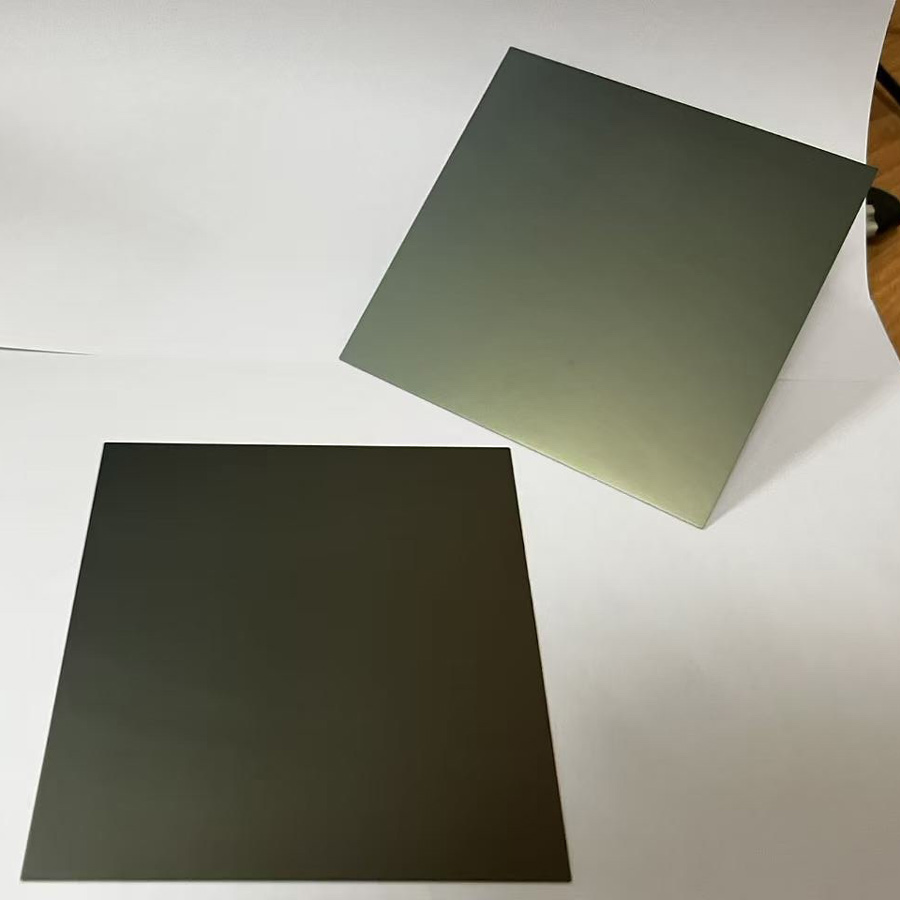
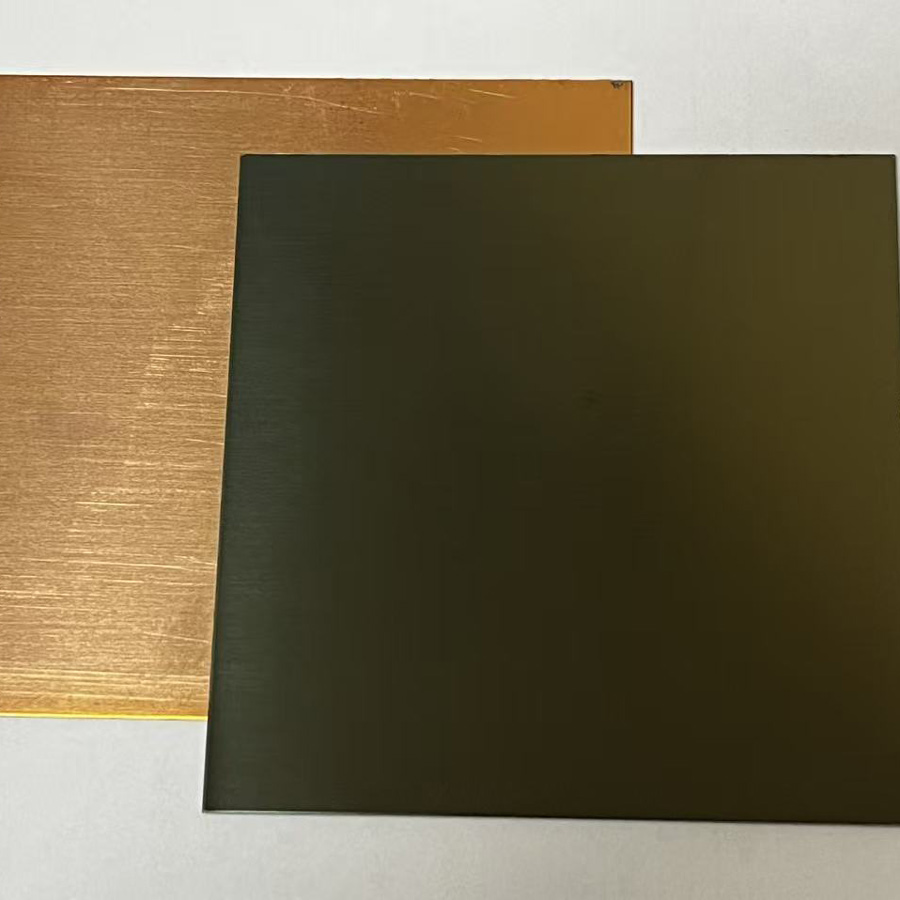
Conventional metal heat sinks (Al, Cu) have high thermal conductivity but low surface emissivity, limiting radiative heat transfer. Graphitic carbon offers high in-plane conductivity (500–2000 W/m·K), high emissivity (0.8–0.95), good electrical conductivity and chemical stability. PVD deposition of a graphitic layer on metal or ceramic substrates dramatically boosts thermal performance without compromising base-material conductivity or adding extra weight.
Thermal Performance
Heat dissipation
conduction + radiation + convection (with external medium).
Thermal performance
a composite of internal conductivity and surface dissipation metrics.
Thermal conductivity and diffusivity are the primary heat-transfer indicators, determined by the material’s intrinsic properties.
BoardTek/JingCheng focus areas
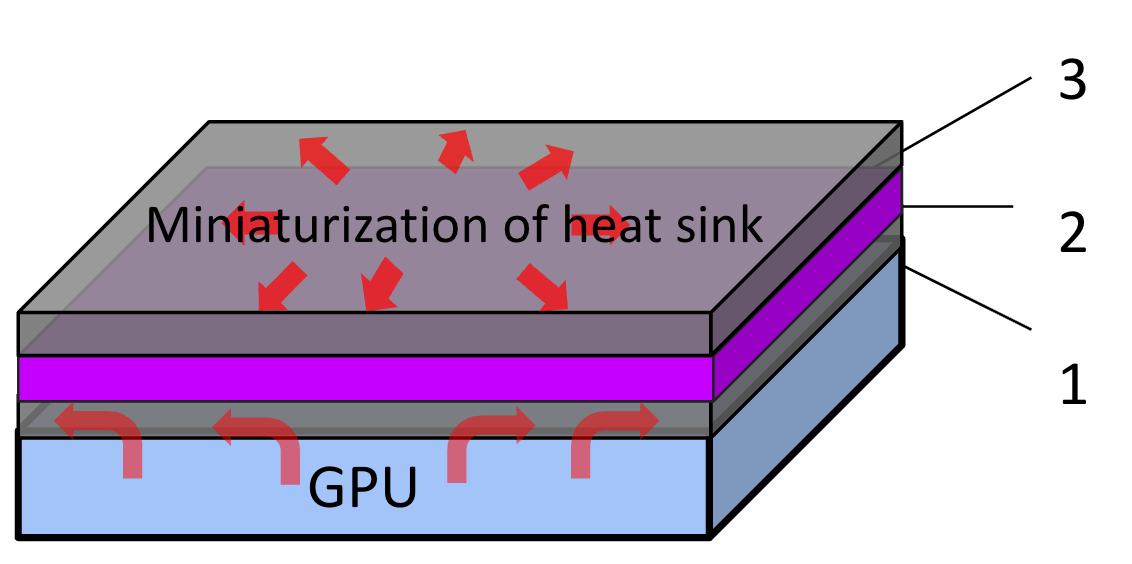
change surface emissivity!
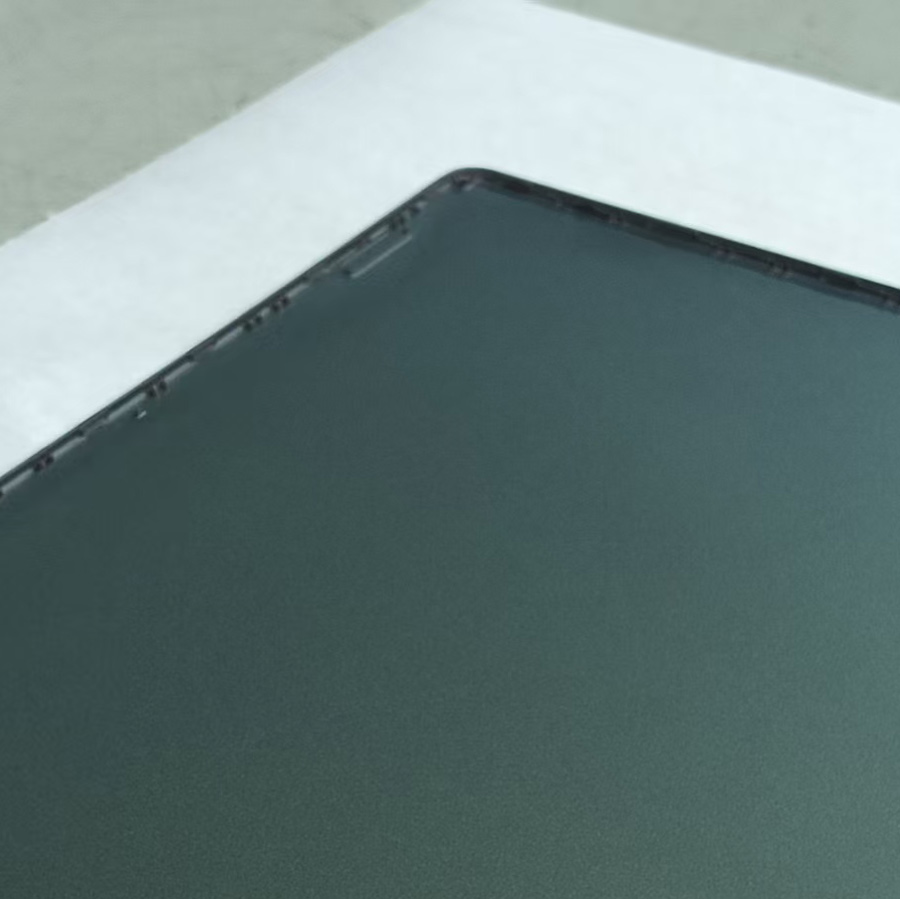
PVD process bonds a graphitic carbon film tightly to the substrate, raising emissivity and radiative capacity.Change surface morphology!
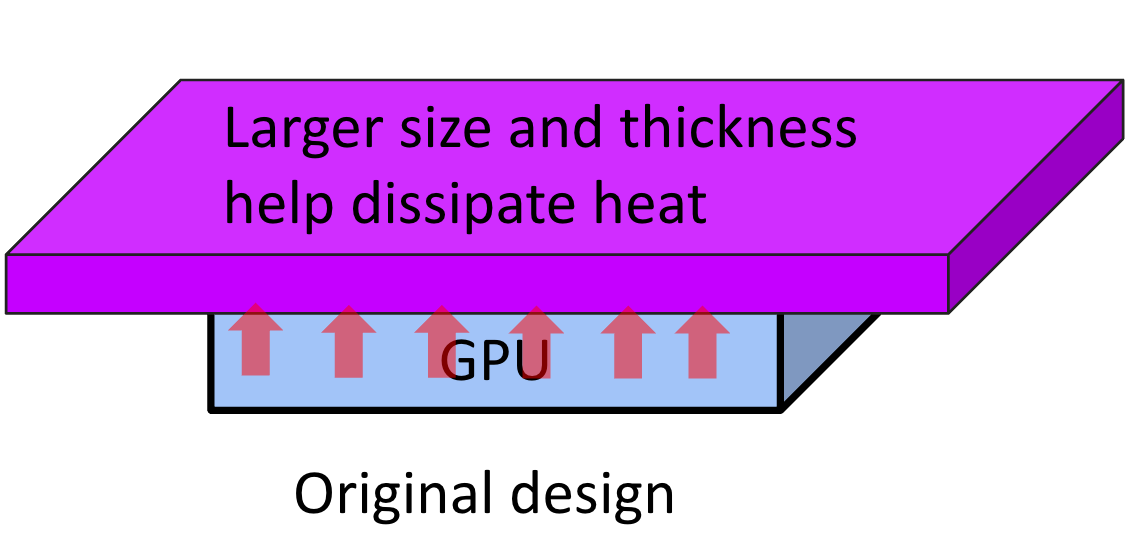
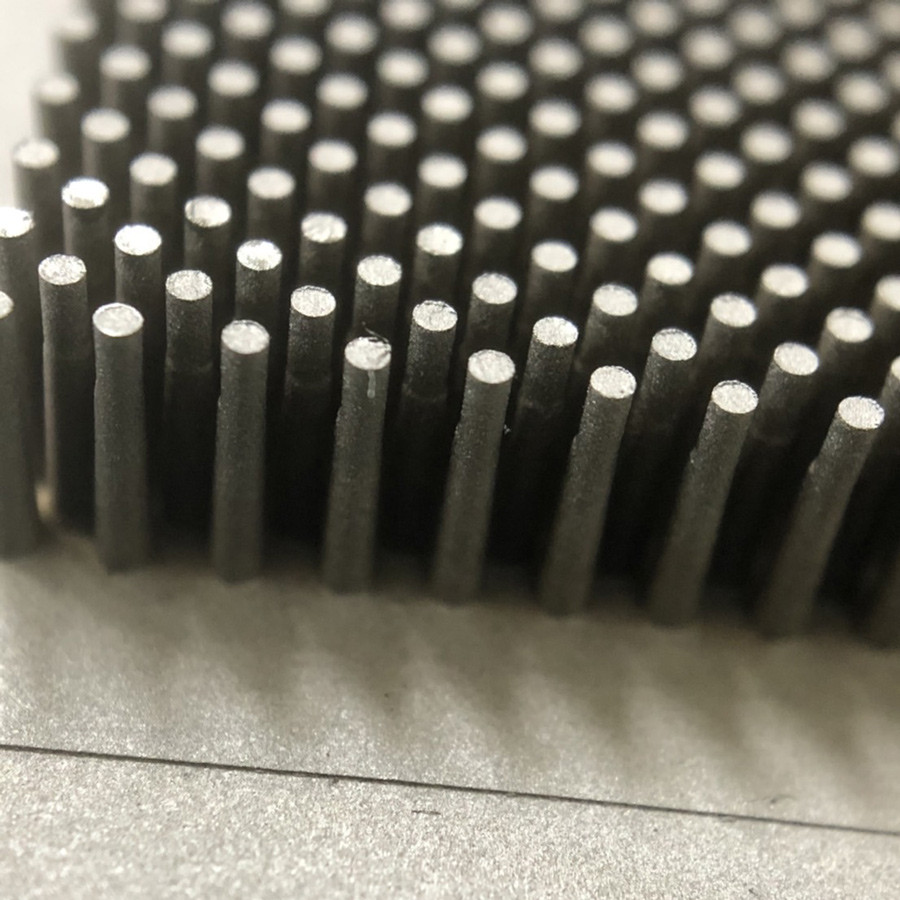
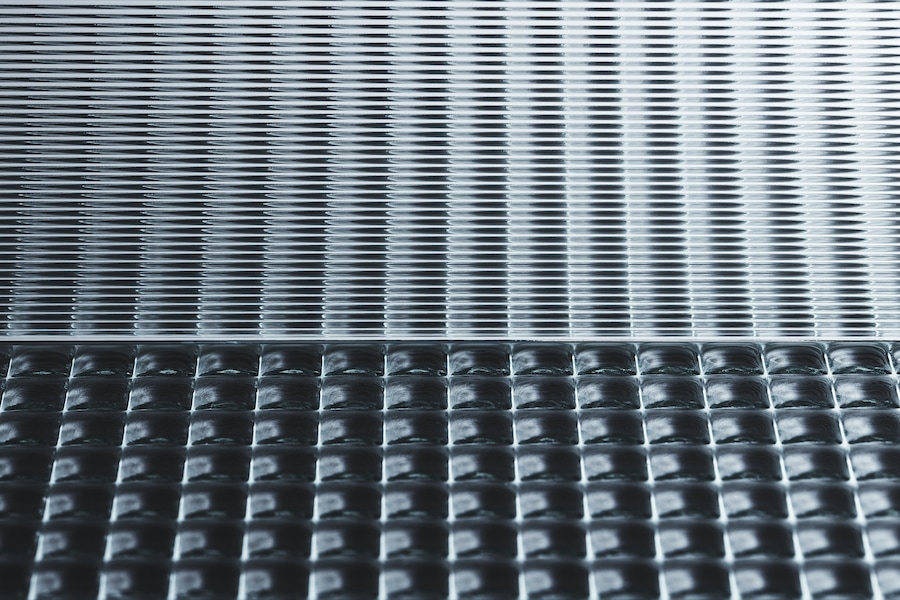
Surface-treatment processes add micro-structures to thermal substrates, increasing dissipation surface area.

Technical Background
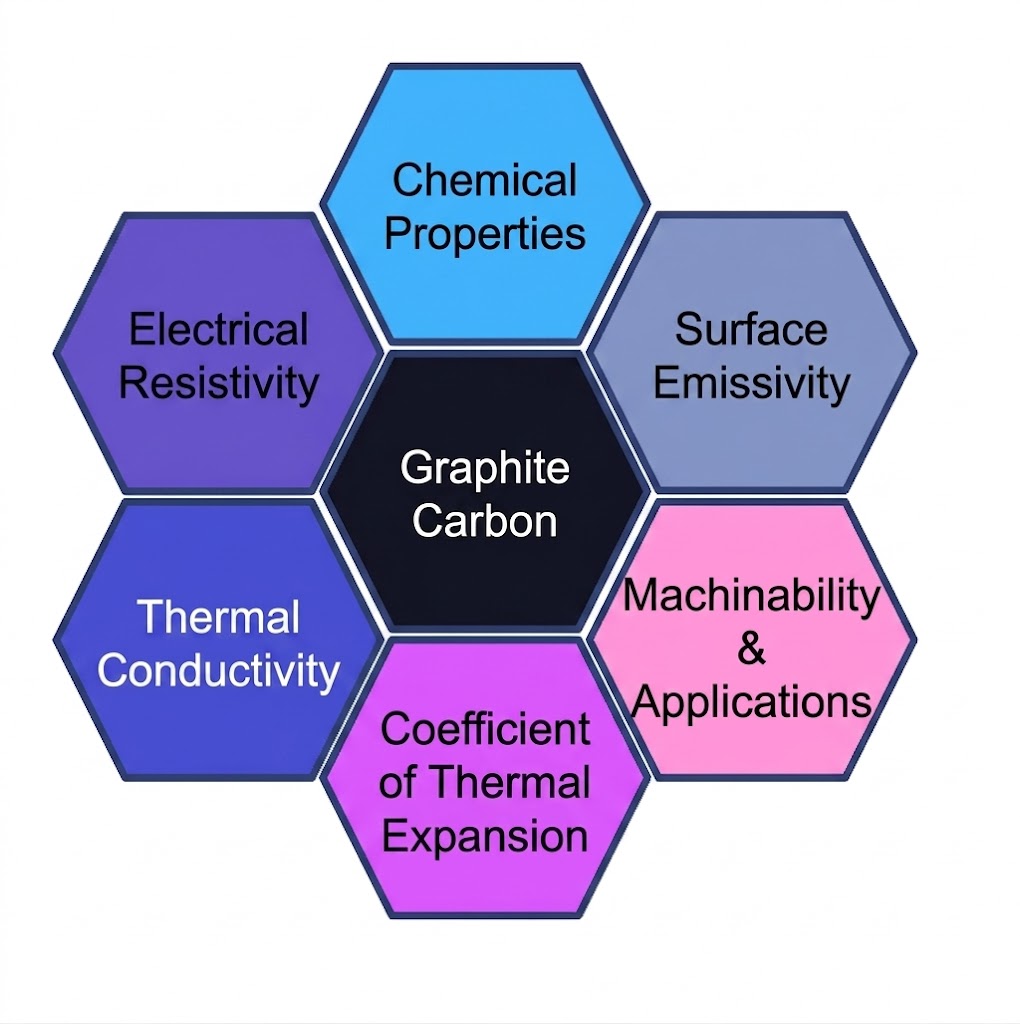
Chemistry
highly stable at room temperature, resistant to acids/bases, improving surface oxidation resistance.
Resistivity
tunable to need; film resistivity is around 10⁻⁴–10⁻³ Ω·m (room temperature, in-plane).
Thermal conductivity
in-plane:500–2000 W/m·K.
CTE
very low (~1–3 × 10⁻⁶ /K).
Processability & applications
PVD deposits ultra-light, ultra-thin composite films for conductive or thermal devices, interposer applications, and high-temperature lubrication.
High surface emissivity
blackbody-like emissivity 0.8–0.95.